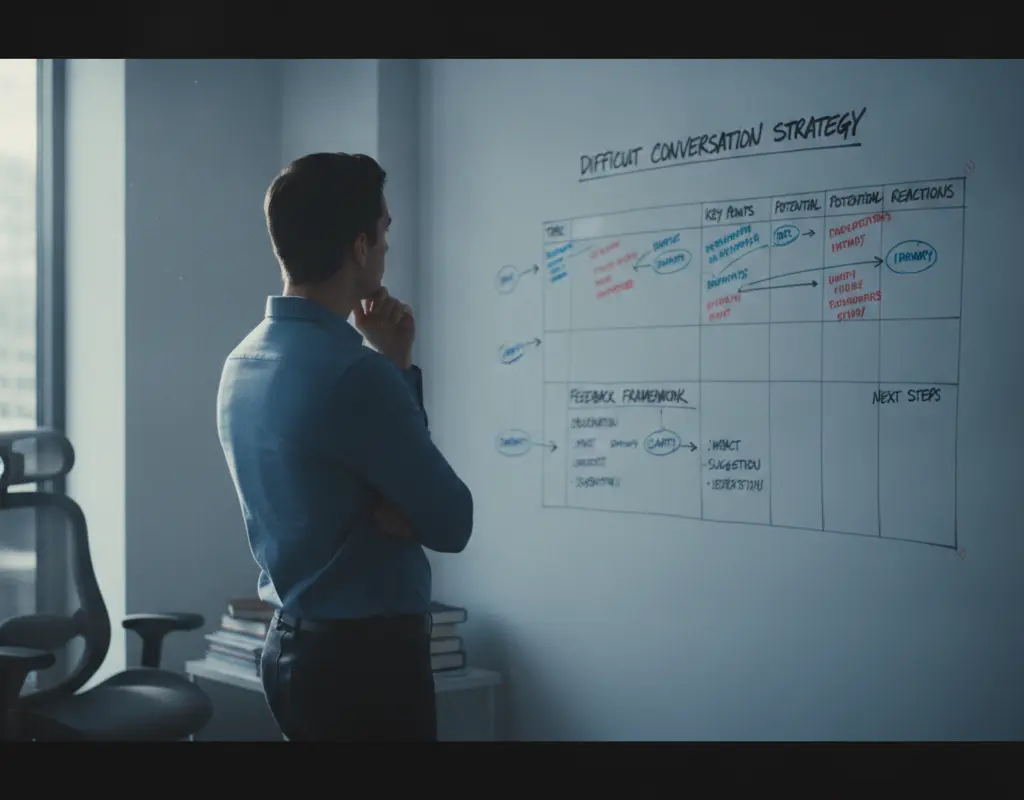
Ever found yourself in a situation where you know something needs to be said, but the person you need to say it to outranks you? It’s a common dilemma, and one that can feel incredibly daunting. The thought of giving feedback to someone senior can trigger a host of anxieties – fear of career repercussions, concerns about being seen as disrespectful, or simply not knowing how to articulate your point effectively.
Yet, providing constructive feedback to someone senior isn’t just a brave act; it’s a vital one for personal growth, team effectiveness, and organizational health. When done right, it strengthens relationships and improves outcomes. This guide will walk you through how to approach these crucial conversations with confidence and impact, transforming potential pitfalls into opportunities for positive change.

The Unique Challenge of Managing Up with Feedback
Giving feedback to a peer or direct report is one thing. Giving it to someone who holds more power or has significantly more experience than you is an entirely different ballgame. The inherent power dynamic shifts the landscape of the conversation. You might worry about how your message will be received, whether it will be dismissed, or if it could even jeopardize your standing.
However, effective communication flows in all directions, not just downwards. Leaders, regardless of their tenure, benefit immensely from diverse perspectives. Research by Google’s Project Oxygen, for instance, highlights that effective managers are often those who are open to feedback and continuously develop their skills, underscoring the value of input from all levels. The real challenge, then, isn’t whether to give feedback, but how to deliver it in a way that is heard, respected, and acted upon.
Understanding the Dynamics Before You Speak
Empathy and Perspective-Taking
Before you even think about what to say, take a moment to consider their perspective. What pressures might your senior colleague be under? What are their goals? Understanding their context can help you frame your feedback in a way that resonates with their priorities, rather than appearing as a personal attack or a trivial complaint. Remember, their experience isn’t just about years; it’s about the unique challenges and responsibilities that come with their role. Gaining insight into what actually changes when you become a manager can be incredibly valuable here, helping you anticipate their viewpoint.
Assess the Organizational Culture
Every workplace has its own unspoken rules about feedback. Is your organization one where open dialogue is encouraged, or is it more hierarchical? While you shouldn’t let culture dictate whether you speak up, understanding it will help you tailor your approach. A culture that values psychological safety, where individuals feel safe to speak up without fear of negative consequences, is crucial for these conversations to thrive, as extensively studied in organizational behavior.
Preparation is Key: Laying the Groundwork for Impact
Spontaneous feedback to a senior can often backfire. These conversations demand thorough preparation. This isn’t about scripting every word, but about clarifying your thoughts and ensuring your message is constructive and well-received.
1. Define Your Intent and Outcome
- What is your goal? Is it to improve a process, prevent a future mistake, or enhance team morale? Your feedback should always be rooted in a desire for positive change, not just to vent frustration.
- What specific outcome are you hoping for? Be clear on what action or understanding you want to achieve.
2. Gather Specific, Objective Observations
Vague feedback like, “You’re unapproachable,” is easily dismissed. Instead, focus on observable behaviors and their concrete impact. For example, “During last week’s team meeting, when you cut off Sarah’s presentation, it seemed to discourage others from sharing their ideas.” This level of detail makes your feedback undeniable and less open to interpretation.
3. Choose the Right Time and Setting
A private, one-on-one setting is almost always best. Avoid public spaces, busy hallways, or times when they are clearly stressed or rushed. Schedule a dedicated time, perhaps at the end of the day or week, ensuring you both have ample time to discuss without interruption.
4. Frame Your Message Thoughtfully
Consider how you’ll open the conversation. A Harvard Business Review article on managing up suggests starting with a positive intent and focusing on shared goals. For instance, “I wanted to share an observation with you because I believe it could help us achieve X goal more effectively,” or “I value your leadership, and I have some thoughts on a recent situation that I think could strengthen our team’s performance.” This sets a collaborative tone rather than an accusatory one.
Delivering with Diplomacy and Directness: The Conversation Itself
This is where your preparation pays off. Approach the conversation with respect, confidence, and a focus on the shared objective.
1. Start with Positive Intent and Context
“I appreciate you taking the time to chat. I wanted to bring something to your attention because I believe it’s important for our team’s success.”
Immediately establish that your feedback comes from a place of contribution, not criticism. Emphasize that your goal is to help, not to blame. This approach aligns with principles of constructive feedback, which SHRM often highlights as crucial for employee development and retention.
2. Focus on Behavior and Impact, Not Personality or Intent
Use the ‘Situation-Behavior-Impact’ (SBI) framework, even if you don’t explicitly name it. Describe the specific situation, the behavior you observed, and the impact it had.
- Situation: “In our last client meeting…”
- Behavior: “…I noticed you spoke over our lead developer several times when he was explaining the technical solution.”
- Impact: “The impact was that he seemed to disengage, and I worry it might have undermined his credibility with the client, and potentially stifled future contributions from him.”
This keeps the feedback objective and actionable. You’re not saying, “You’re rude;” you’re saying, “This specific action had this specific consequence.”
3. Listen Actively and Be Open to Their Perspective
After you’ve delivered your feedback, pause and invite their response. “I wanted to share that. What are your thoughts?” They might have context you’re unaware of, or they might simply need a moment to process. Listen without interrupting, and seek to understand their viewpoint. This demonstrates respect and opens the door for a true dialogue.
4. Collaborate on Solutions (If Appropriate)
If the situation allows, shift towards problem-solving. “Moving forward, perhaps we could ensure everyone has a chance to fully articulate their points?” or “Is there a way I could help support you in ensuring technical details are fully explained?” Offering solutions, or asking how you can help, shows you’re invested in the outcome, not just pointing out flaws. Ultimately, effective feedback contributes to the qualities of a good manager by fostering an environment of continuous improvement.
Not all feedback conversations will go smoothly. Your senior colleague might be defensive, surprised, or even dismissive. This is where your resilience and commitment to your positive intent are tested.
Stay Calm and Reiterate Your Intent
If met with defensiveness, calmly reiterate your positive intent: “My intention here isn’t to criticize, but to share an observation that I believe could help us work more effectively as a team.” Avoid getting drawn into an argument. Stick to the facts and the impact.
Know When to Pause or Escalate
Sometimes, the other person needs time to digest the information. Offer to revisit the conversation later: “Perhaps this is a lot to take in right now. Would it be helpful to talk about this again tomorrow?” Escalation (e.g., involving HR or their manager) should be a rare last resort, only when the issue is severe, persistent, and directly impacting safety, ethics, or team functionality, and direct attempts have failed.
Follow-Up Thoughtfully
If an action plan was discussed, follow up to see if progress is being made. A simple check-in demonstrates your commitment and reinforces the importance of the feedback. “I wanted to check in on X, as we discussed. How has that been going?” This ongoing dialogue fosters a culture of accountability and continuous improvement, which is a cornerstone of high employee engagement, as highlighted by Gallup’s Q12 Employee Engagement Survey.
Practical Application: Your Mini-Checklist for Giving Feedback Up
Here’s a quick checklist to guide you through your next feedback conversation with a senior colleague:
- Clarity of Intent: Am I clear on my positive goal for this feedback?
- Specifics: Do I have clear, objective examples of behavior and impact?
- Timing & Setting: Is this the right time and private place for the conversation?
- Framing: How will I open the conversation to convey positive intent and collaboration?
- Behavior vs. Intent: Am I focusing on what was done and its impact, not guessing at their motives?
- Active Listening: Am I prepared to listen to their perspective without interruption?
- Solutions: Can I offer or collaborate on potential solutions?
- Follow-Up Plan: Do we have a clear next step or agreement for follow-up?

Conclusion
Giving feedback to someone senior is undeniably challenging, but it’s also an incredible opportunity to demonstrate leadership, foster a culture of open communication, and drive positive change within your organization. It requires courage, careful preparation, and a commitment to respectful, objective dialogue. By focusing on intent, specific behaviors, and impact, you can transform these potentially awkward conversations into powerful moments of growth for everyone involved.
Remember, your voice matters, and constructive feedback is a gift – one that, when delivered skillfully, can elevate not only your own career path, but also the effectiveness and health of your entire team. Embracing these conversations is a clear sign you’re ready to take on more significant responsibilities and perhaps even exploring 5 signs you’re ready to move into a leadership role yourself.